As temperatures drop in late fall and early winter, outdoor plumbing becomes vulnerable to freezing conditions. Outdoor faucets and hose bibs are especially at risk because they are exposed to cold air, wind, and sudden temperature changes. If water left inside them freezes, it can expand, causing pipes to crack or burst.
Taking a few simple steps before freezing weather arrives can help reduce the risk of costly water damage and inconvenient repairs later in the season.
If you notice leaks, dripping outdoor faucets, or are unsure how to winterize your outdoor plumbing properly, it’s best to schedule service early through the contact page here or by calling (516) 614-4071.
Why Outdoor Faucets Freeze in Cold Weather
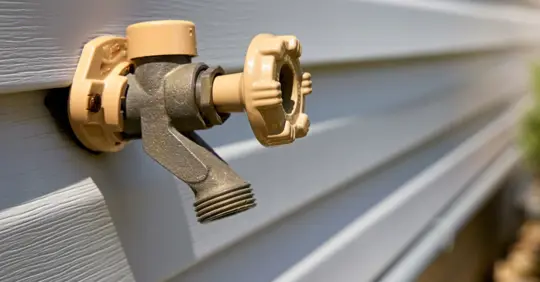
Outdoor faucets, also called hose bibs, are connected to pipes inside your home. When temperatures fall below freezing, any water left in these pipes can freeze.
Ice takes up more space than water, which puts pressure on the pipe. This pressure can lead to cracks or bursts, even if the damage is not immediately visible.
Common risk factors include:
- Hose left connected during cold weather
- Water not fully drained from outdoor lines
- Older or uninsulated plumbing
- Sudden cold snaps in late fall or early winter
Step 1: Disconnect and Store Garden Hoses
One of the easiest and most important steps is removing garden hoses before freezing temperatures arrive.
Leaving a hose attached can trap water inside the faucet, increasing the chance of freezing.
Helpful steps:
- Disconnect all hoses from outdoor faucets
- Drain any remaining water from the hose
- Store hoses indoors or in a garage or shed
This simple habit helps reduce unnecessary strain on outdoor plumbing.
Step 2: Shut Off the Outdoor Water Supply (If Available)
Many homes have a separate shut-off valve for outdoor water lines. Turning this off helps prevent water from sitting in exposed pipes.
If your home has this feature:
- Locate the indoor shut-off valve (often in the basement or utility area)
- Turn it off before freezing weather begins
- Open the outdoor faucet to allow any remaining water to drain out
If you’re unsure whether your home has this setup, a plumbing professional can safely identify it.
Step 3: Drain Remaining Water from Hose Bibs
After shutting off the water supply, it’s important to drain any remaining water from outdoor faucets.
To do this:
- Open the outdoor faucet fully
- Let water drain out completely
- Leave the faucet slightly open during winter (if recommended for your setup)
This reduces the amount of trapped water that could freeze inside the pipe.
Step 4: Use Faucet Covers for Extra Protection
Foam faucet covers are an inexpensive way to add insulation. They help protect outdoor fixtures from cold air and wind exposure.
Benefits include:
- Added insulation from freezing air
- Reduced risk of pipe damage
- Easy seasonal installation and removal
While they don’t replace proper winterization, they offer helpful extra protection during colder months.
When to Consider Professional Help
Some homes have older plumbing systems or unclear shut-off setups. In these cases, professional assistance can help ensure everything is prepared correctly.
You may want support if:
- You are unsure where shut-off valves are located
- You’ve had frozen pipe issues in the past
- Outdoor faucets are leaking or damaged
- Your home has older or uninsulated plumbing lines
Seasonal preparation can help reduce stress during sudden temperature drops.
Keep Your Home Protected Before Winter Arrives
Outdoor plumbing is often overlooked until a problem happens. Taking time to prepare hose bibs and outdoor faucets before freezing weather can help avoid unexpected repairs during the coldest months.
For help with winterizing outdoor plumbing or inspecting your home’s water lines, reach out to L. Graziose Plumbing Heating & Cooling through our contact page or call (516) 614-4071.